
How to read available capacity and the connection queue
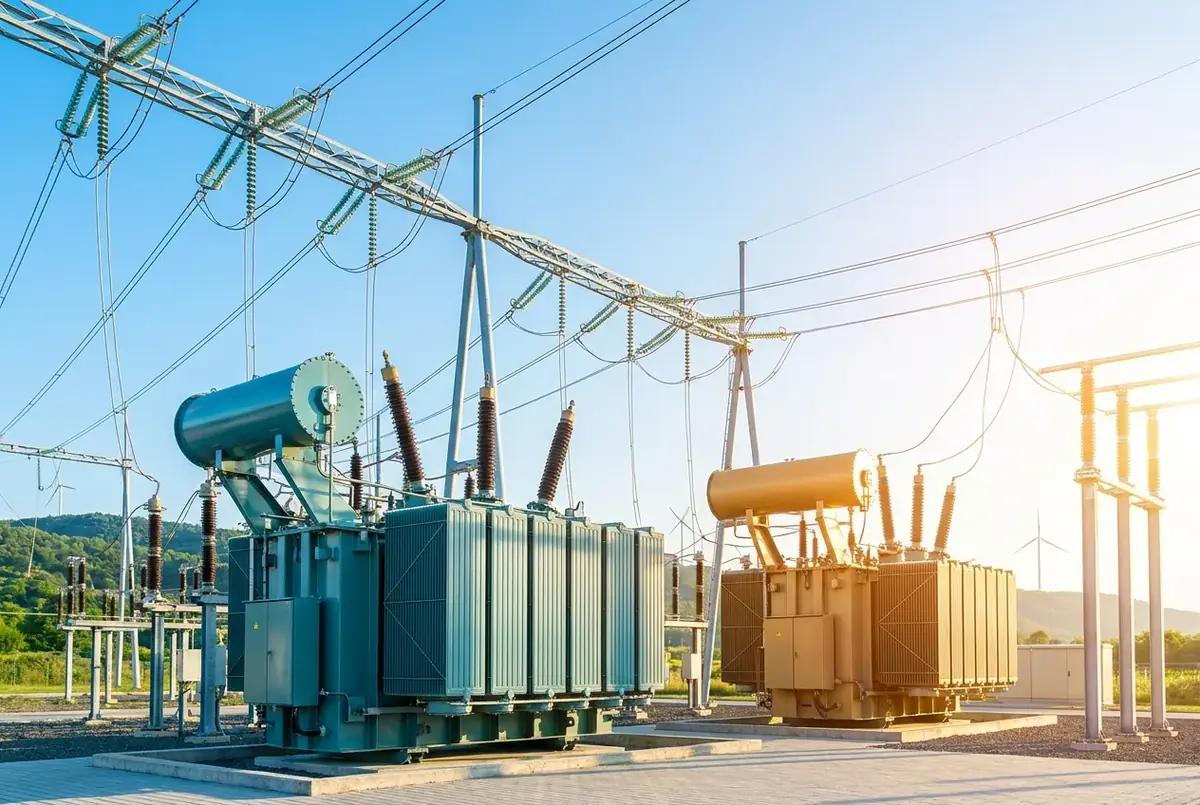
Published connection capacities provide an important indication of grid conditions, but they are not a promise to connect a project. To interpret operator lists correctly, always consider capacity alongside the operator, substation, connection type, reference date and queue information.
This guide explains how to use the data presented in TransakcjeOZE tools. It does not replace an application for grid connection conditions or the operator’s assessment.
What available capacity means
Available capacity in a published list describes the position reported by a particular operator for the specified grid element and date. It is general information prepared using that operator’s methodology and publication scope.
The value does not determine whether a specific project will receive grid connection conditions. The operator examines the application together with the project parameters and the grid situation at the location concerned.
First, check the type of data
Before comparing results, establish:
- whether the value concerns generators, consumers or another category specified by the operator,
- which grid level the publication covers,
- whether the record describes one substation, a group of substations or an area,
- the date to which the operator’s data refers,
- whether the substation location is exact, approximate or unknown.
Values for different types of connection should not be added together merely to produce a larger total.
How to read the connection queue
The queue shows projects or capacities based on data published by the operator. It provides context on competition for grid resources but does not describe every feature of individual applications.
When comparing a substation, read available capacity, the queue, the reference date, voltage and operator information together. If fields come from different periods or sources, make this clear and do not present the result as a single current measurement.
Why the reference date matters
Lists are updated according to each source’s schedule. The file download date is not always the same as the data reference date given by the operator. TransakcjeOZE keeps these separate so users can assess how current a result is.
When an operator publishes a new version, the previous result becomes a historical snapshot and should not be presented as current.
How search works in TransakcjeOZE
- Open CHECK CAPACITY.
- Select a location or substation relevant to the area you are analysing.
- Check the operator, data type and reference date.
- Compare capacity with the queue information and source.
- Open the operator’s publication if the result matters to a project decision.
The report and map support location screening and the preparation of further questions. They are not grid connection conditions.
Regional pages and location limitations
Not every substation can be reliably assigned to a voivodeship. If its location is only approximate or insufficiently confirmed, the record should not contribute to a regional summary.
Regional pages therefore use only data that has passed location validation. The page must show the source and date and explain that records without a confirmed regional assignment are excluded.
How to use the data in project analysis
- treat the result as a signal for further investigation,
- retain the source and data reference date,
- compare the result with the project’s grid connection documents,
- do not treat an operator publication as a substitute for grid connection conditions,
- record discrepancies in the due diligence issues register.
You can find broader context and sources in the available grid connection capacity report. When buying a project, also use the RES project due diligence checklist and the guide to organising a data room.
HWW materials for further reading
HWW discusses issues in the grid connection process, refusal to issue grid connection conditions and the context of RES connection refusals. Before relying on legal arguments, check the current law and the full publication.
Three questions to ask about a specific result
Before you use a figure from a dataset, write down the answers to three questions:
- Which point and which date does the value relate to?
- Does the result come straight from the dataset, or is it a match to the selected location?
- Which document or confirmation do you need in order to relate this information to the project?
If the card does not answer them, record the gap and go to the source publication. Proximity to a substation and a figure in a dataset do not by themselves settle the connection.
How this material was prepared
The institutional author is Fundacja EFET, the operator of TransakcjeOZE.pl. This material was prepared using the sources identified and linked in the text.
Details of authorship, the editorial process and the corrections procedure are available on the author profile and editorial standards page.
See our content more often on Google
If you use TransakcjeOZE.pl analyses, you can add the domain to your preferred sources. Google will open the settings in a new tab.
This material is for information purposes. It is not a legal or technical opinion or a transaction recommendation. Specific documents and decisions require individual analysis.
Check data for your location
Select a parcel or point to see the available layers and source dates. Full access adds matched records and numerical values for that location. Station data provides context for further project checks.